Every B.Ed and M.Ed student arrives with subject knowledge. What separates the teachers who thrive in a real classroom from those who struggle usually isn't what they know — it's how they use it. After years of training aspiring educators, a few qualities show up again and again in the ones who go on to become genuinely effective teachers.
1. Patience that doesn't run out
A concept that's obvious to the teacher is rarely obvious to every student the first time it's explained. Great teachers treat repetition as part of the job, not a sign that something has gone wrong. They find a second way to explain the same idea without frustration creeping into their voice.
2. Genuine curiosity about how students think
The best teaching practice sessions we observe aren't the ones with the most polished lesson plan — they're the ones where the student-teacher pauses to ask "why did you answer it that way?" instead of simply marking something wrong. Understanding a student's reasoning, not just their answer, is what makes correction actually land.
3. Consistency
Students, especially younger ones, take their cues from routine. A teacher who is unpredictable — warm one day, distracted the next — makes a classroom feel unstable. Consistency in expectations, tone, and follow-through builds the kind of trust that lets real learning happen.
4. Comfort with not having every answer
New teachers often feel pressure to appear infallible. In practice, the teachers students respect most are the ones willing to say "I'm not sure — let's find out together." It models the exact kind of intellectual honesty a good education is supposed to build.
5. A sense of responsibility beyond the syllabus
The strongest teaching practice students we see treat the classroom as more than a place to deliver a lesson plan — they notice when a student is struggling outside academics too, and they see their role as part of a wider responsibility to the student's development. That instinct is exactly what the Trust's founding mission points toward: education that empowers the individual and uplifts society, not just one that transfers information.
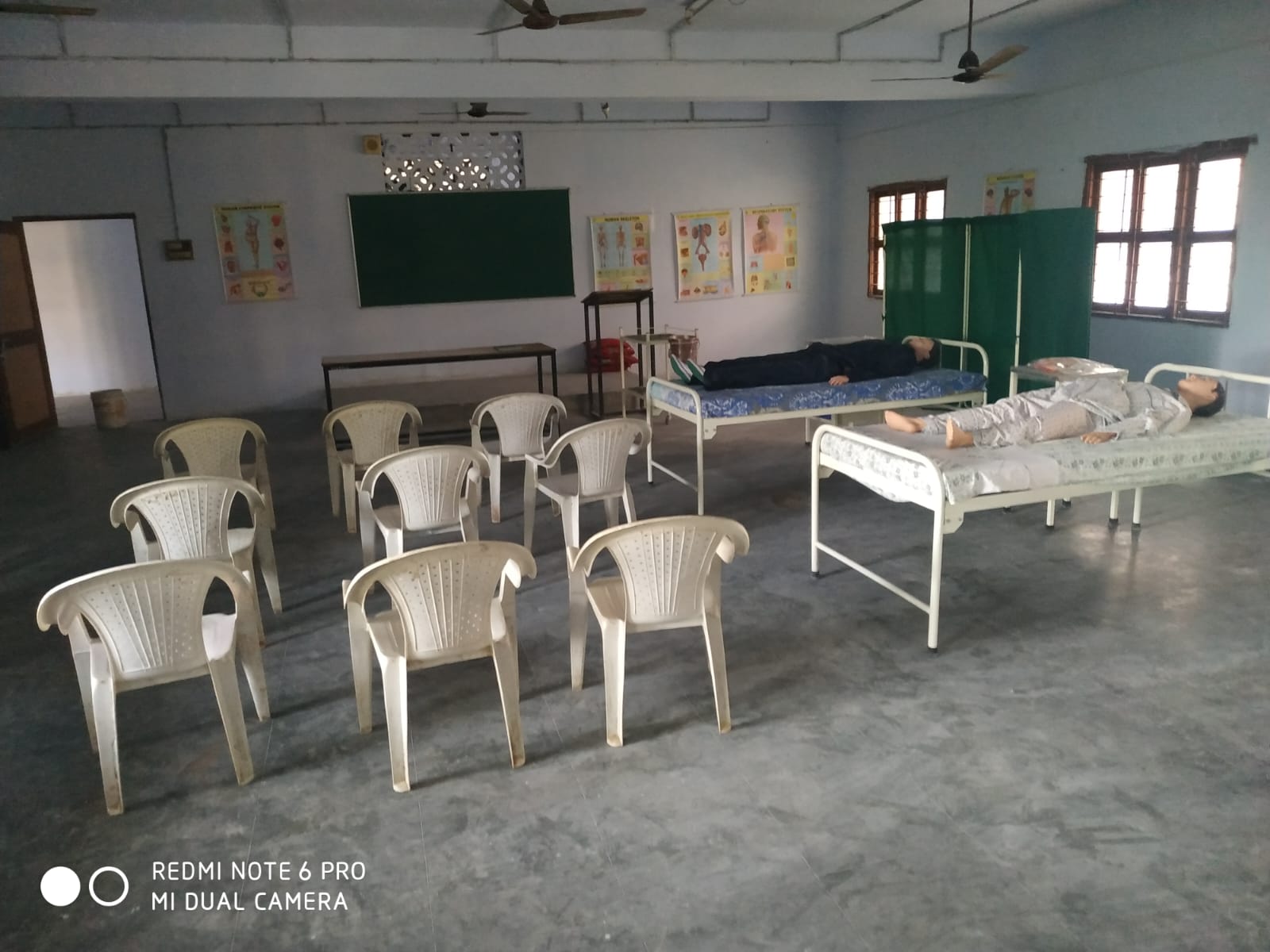
None of these qualities show up on a transcript. They're built through practice — through the supervised teaching placements, peer observation, and classroom experience that form the core of both the B.Ed and M.Ed programmes. That's precisely why hands-on training, not just lecture-based instruction, sits at the center of how these programmes are designed.